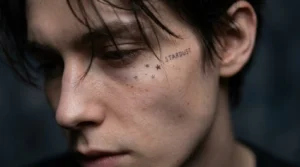
⚡ QUICK ANSWER: The most famous singer with face tattoos is Post Malone — his “Always Tired” under-eye ink is the most photographed face tattoo in music. Lil Wayne, Gucci Mane, 21 Savage, Lil Peep, and Doja Cat all carry documented face ink too. What began as an outlaw marker in hip-hop is now a mainstream aesthetic — with real lessons for anyone considering their own.
If you’ve ever typed “singer with face tattoos” into Google at 1 a.m., you already know the rabbit hole: one photo of Post Malone’s forehead leads to Lil Peep’s “Crybaby,” which leads to a teardrop meaning debate, which leads to wondering whether you could ever pull one off yourself. This guide is the whole rabbit hole in one place.
Below you’ll find 20 documented entries — singers, rappers, and two honorary culture-shifters — what their ink is, and what it’s believed to mean (clearly labeled as belief, never stated as fact). Then the honest part: what face ink signals in the industry now, and everything you should know before your own face ever meets a needle.
📌 KEY TAKEAWAYS
- Post Malone’s “Always Tired” is the most famous face tattoo in music — he’s said insecurity drove it
- The shift from career-killer to mainstream took roughly 15 years: Lil Wayne → SoundCloud era → magazine covers
- Meanings are almost always fan-documented interpretation — few artists explain their ink publicly
- Face tattoos have ancient roots in Indigenous traditions — modern celebrity ink is a completely different story, and we mark the difference respectfully
- Removal is possible but expensive and imperfect — Presley Gerber’s story proves it
- Face-adjacent alternatives (behind the ear, neck, fine line) offer the visibility with an exit door
Why the “Singer With Face Tattoos” Stopped Being a Shock
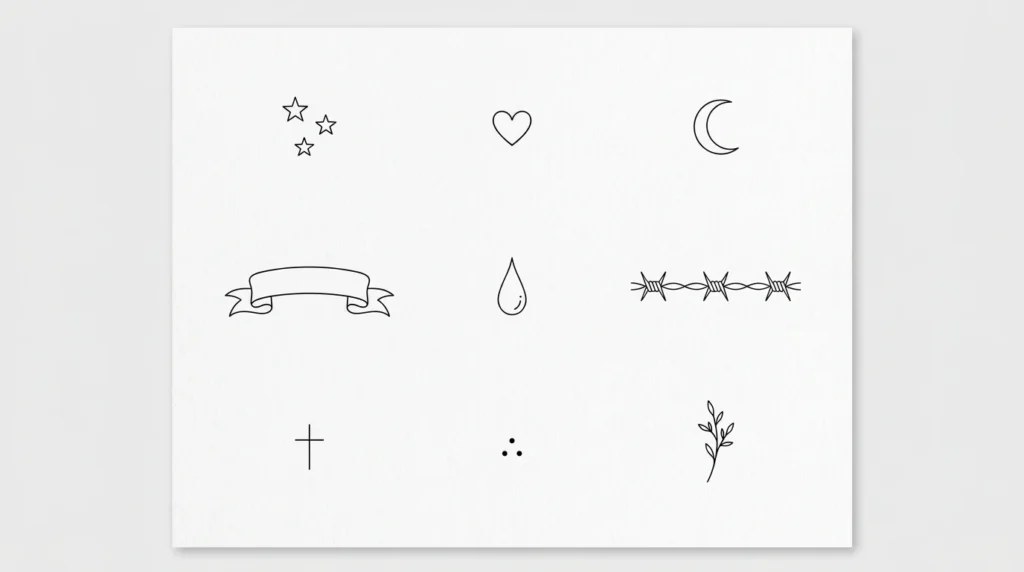
Fifteen years ago, the phrase singer with face tattoos would have ended a pop career. Today it returns magazine covers. The shift happened in three distinct waves — and knowing them explains why your feed looks the way it does:
| Era | What Face Ink Meant | The Moment That Shifted It |
|---|---|---|
| 2000s | Outlaw marker — career risk in pop, survival badge in hip-hop | Lil Wayne and Gucci Mane normalize it in rap |
| 2010s | Youth identity and rebellion | The SoundCloud generation — Lil Peep, XXXTentacion — makes it a uniform |
| 2020s | Mainstream aesthetic | Post Malone on magazine covers; brand deals follow instead of fleeing |
The cultural story is bigger than any one artist, and outlets like Billboard have tracked how face ink crossed from club walls to brand campaigns [verify exact article]. But one thing deserves respect before we get to the list: face tattoos were never invented by celebrities. Indigenous traditions — most famously Māori tā moko, which Britannica covers as a living cultural practice — carried profound spiritual and family meaning on the face for centuries [verify article]. A celebrity’s aesthetic choice and a sacred living tradition are two different things; this guide covers the first and honors the second.
20 Singers With Face Tattoos & What Their Ink Says
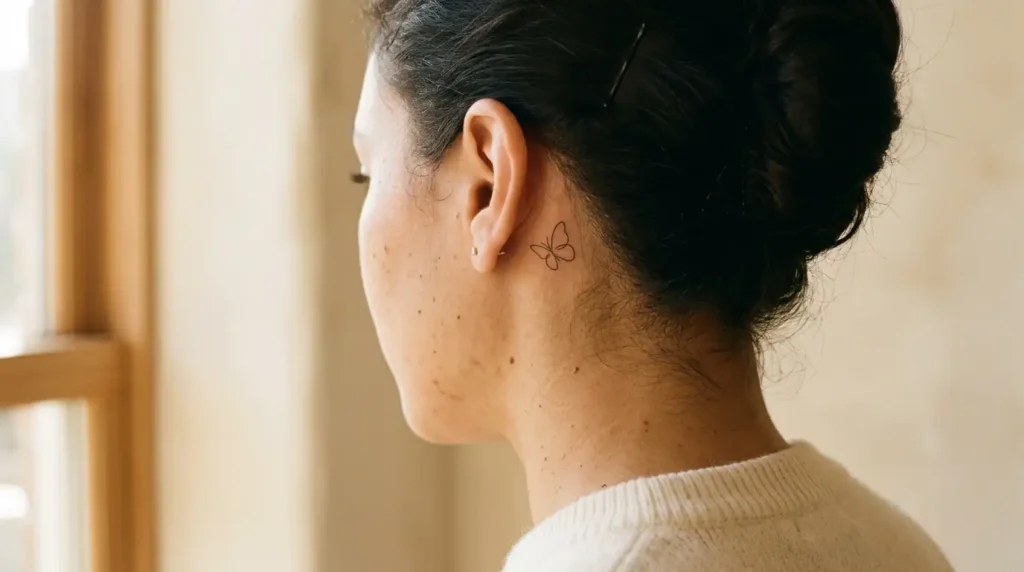
Every entry below is documented in media archives or fan tattoo trackers; where details are contested or lightly sourced, we mark it. Meanings are belief and interview-based — not fact handed down from the artists themselves.
| Artist | Signature Face Ink | Believed Meaning / Story |
|---|---|---|
| Post Malone | “Always Tired” under both eyes; barbed wire across the forehead [widely documented] | He’s said in interviews that insecurity drove them — ink as armor |
| Lil Wayne | Teardrops under the eye; eyelid lettering [verify exact pieces] | Never fully explained; teardrop meanings run deep in tattoo culture |
| Gucci Mane | Ice cream cone on the cheek | His boldest self-branding move — instantly his trademark |
| 21 Savage | Dagger on the forehead | No official explanation — pure image control |
| Lil Peep | “Crybaby” above the eyebrow; other face lettering | He wore a childhood insult as pride — sensitivity as strength [documented in interviews] |
| XXXTentacion | Broken heart on the forehead | Fan-documented as his outlook on love and pain |
| Tekashi 6ix9ine | “69” across the face, forehead included | Literally his brand, repeated everywhere |
| Lil Uzi Vert | Face tattoos plus the famous pink diamond forehead implant | Luxury-as-ink taken to its extreme; the diamond was later reported damaged [verify] |
| Machine Gun Kelly | Small face lettering added in recent years [verify] | Pop-punk’s mainstreaming moment continues |
| Jelly Roll | Small bold pieces across the face [verify specifics] | Country music’s most visible face-ink story |
| Yelawolf | Face pieces added across his career [verify] | Punk-meets-Southern aesthetic |
| Aaron Carter | Portrait ink on his face (2019) [documented] | Later reported covered [verify] — remembered here kindly |
| Doja Cat | Small dark-symbol pieces on the scalp [verify] | Pushed women’s face ink into pop headlines |
| Summer Walker | Tiny delicate pieces near the brows [verify] | Soft minimalism on the face |
| Tiny Harris | Small under-eye pieces [verify] | The Xscape star’s TV-era normalization moment |
| NLE Choppa | Face pieces [verify specifics] | Gen-Z hip-hop normal |
| Lil Skies | Rose under the eye [verify] | Melodic rap’s signature look |
| Waka Flocka Flame | Face pieces [verify] | Atlanta-era veteran |
| Amber Rose (honorary) | Forehead lettering honoring her son | Not a singer — but the moment women’s face ink went viral |
| Presley Gerber (honorary) | “Misunderstood” — later reported removed [verify] | The cautionary tale every face-ink guide needs |
Notice how the story arcs down the table: outlaw → identity → brand → everyday choice. Singer face tattoos now tell career stories faster than any press release could.
The Meanings Behind the Most Famous Pieces
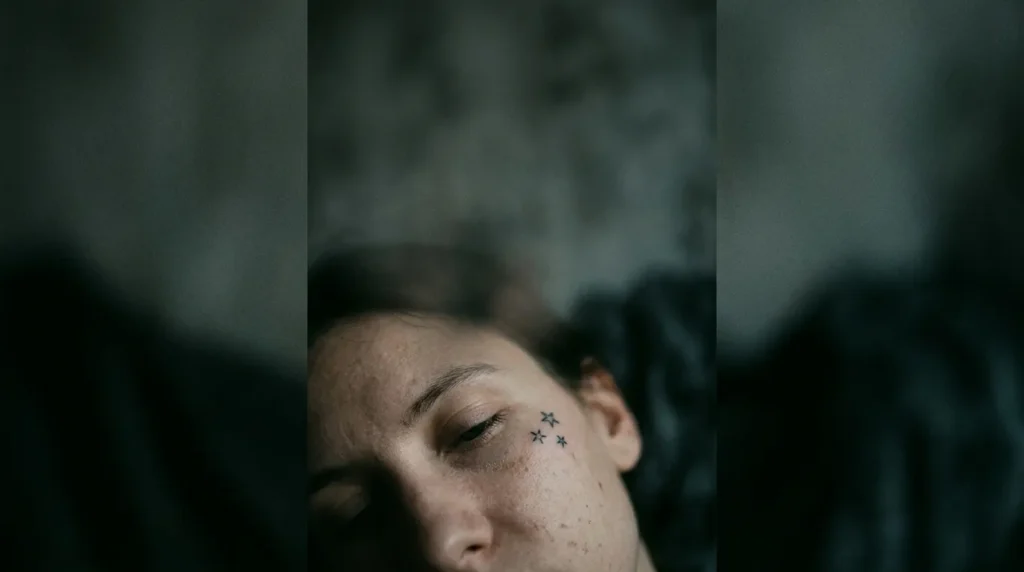
Four entries deserve a closer look — because the stories behind them are the ones fans search for most, and because they show how differently artists relate to visible ink:
Post Malone: Insecurity Turned Into Armor
Post has been open that his earliest face tattoos came from a place of not feeling good enough — ink placed where he’d be forced to accept himself daily. That reframe (insecurity → armor) is why “Always Tired” resonates far beyond hip-hop. Fans read it as permission to stop pretending to be fine.
Lil Peep: Wearing the Insult
“Crybaby” above his eyebrow was Peep’s documented answer to being called one as a kid — wear the word until it stops hurting. His face ink, like his music, blurred emo vulnerability and rap bravado into one aesthetic. After his passing in 2017, fans have carried tribute versions of the lettering — a reminder that famous ink becomes community ink.
Lil Wayne’s Teardrop: The Meaning That Stays Ambiguous
The teardrop is the most heavily loaded small tattoo in culture — associated in different contexts with loss, remembrance, or time served. Wayne has never fully explained his, and honest guides leave it ambiguous. The respectful rule that applies everywhere: never assume what someone else’s teardrop means.
XXXTentacion’s Broken Heart
Placed dead-center on his forehead, the broken heart was fan-documented as his statement about love and pain — impossible to hide, which was the point. Like Peep, his ink lives on in fan tributes that celebrate the art he made, not the turmoil around it.
The pattern across all four: face ink works when it means something private worn publicly. That’s the same psychology behind every meaningful design — the language of symbols is traced in our guide to butterfly tattoo meanings and symbolism, just on different canvas.
Tattooed Singers, Male and Female: Does the Industry Punish Ink?
Searches for “tattooed singers male” spike constantly — the assumption being that men get a pass the industry denies women. The reality is more layered. Male rock and hip-hop artists have worn sleeves for decades; the face was the line until roughly the SoundCloud era. Women face double scrutiny — appearance standards on top of the ink standard — which is exactly why entries like Doja Cat’s and Summer Walker’s hit headlines harder than equivalent men’s reveals.
What a Singer With Face Tattoos Signals in the Industry Today
Right now, honestly? Signal depends on genre. In hip-hop and rock, face ink reads as authenticity capital. In pop and country, it reads as genre-branding — Jelly Roll’s story works because his audience expects resilience written on skin. What has genuinely changed: brands now sign heavily tattooed artists instead of avoiding them. The rebellious aesthetic became marketable, which is either progress or irony depending on your seat.
Contrast that with celebrity ink chosen for the opposite reason: Harry Styles’ and Ariana Grande’s butterflies were placed to be revealable, not ever-present — the full stories are in our Harry Styles butterfly tattoo and Ariana Grande butterfly tattoo guides. Two visibility strategies, both deliberate: the face says “I can’t hide,” the upper arm says “I choose when you see.”
Want a Face Tattoo? Read This First
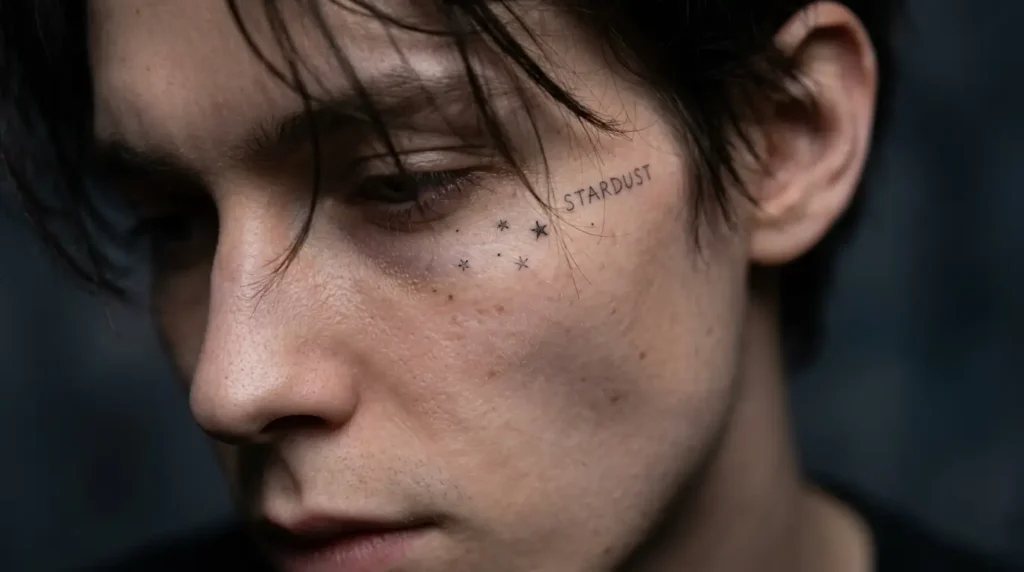
Now the section that actually matters for you. Face ink on a celebrity comes with a publicity team, makeup artists, and a brand that absorbs the consequences. Yours comes with a mirror. The honest math:
| Reality Check | The Truth |
|---|---|
| Pain | High — the face sits close to bone and nerve, and the vibration near the eye is intense |
| Hiding it | You can’t. No sleeve, no sock, no “I forgot.” Every meeting, wedding, and passport photo includes it |
| Careers | Customer-facing, corporate, and traditional fields still notice first and hardest |
| Aging | Facial skin is thin and sun-exposed — fine lines need heavier weights and daily SPF to survive |
| Removal | Possible but slow, expensive, and often incomplete — Healthline‘s tattoo removal guide covers what sessions really involve |
The Presley Gerber entry exists in the table above for a reason: “Misunderstood” went on at 20 and was reportedly gone within two years [verify]. That’s not an argument against face tattoos — it’s proof the decision deserves more runway than inspiration gives you.
Face-Adjacent Alternatives: The Visibility With an Exit Door
If the appeal is “ink I actually see every day” rather than “ink everyone sees,” three placements deliver most of the feeling with flexibility attached:
- Behind the ear — the stealth face-adjacent spot; hair down hides it completely. Full breakdown in our butterfly neck tattoo placement guide
- The neck — visible but concealable with collars and hair; pain and healing covered in the same guide
- Hands and wrists — daily visibility for you, coverable for the world; our fine line butterfly tattoo guide shows the delicate styles that suit small visible spots — and the aging rules they demand
A tiny design in any of these spots — a star, a word, a small butterfly — gives you the celebrity-ink feeling while keeping the door open. For bold styles that read strong if you go bigger, our butterfly tattoo ideas men wear guide covers the masculine end of the spectrum. And for the full body map with pain levels, the guide to butterfly tattoo ideas and placements compares every zone.
FAQ About Singers With Face Tattoos
Who is the most famous singer with face tattoos?
Post Malone — the “Always Tired” lettering under his eyes is arguably the most photographed face tattoo in music history. His collection has grown to include dozens of pieces, but the under-eye ink remains the signature. Lil Wayne, Gucci Mane, and 21 Savage follow close behind in recognizability.
Why do singers get face tattoos?
Documented reasons include marking transformation, controlling their own image, honoring people or eras, and — in Post Malone’s case — confronting insecurity directly. For younger artists, face ink also functioned as instant differentiation in a crowded streaming era. Almost always, it’s identity worn where it can’t be taken off.
Do face tattoos hurt more than other tattoos?
Yes, generally. The skin sits close to bone — forehead, cheekbone, jaw — and the area near the eyes adds an intense vibration sensation. Sessions are usually short since face pieces are small, which makes the pain manageable. Most people rate the face alongside ribs and spine on the discomfort scale.
Can a face tattoo be removed?
Yes, with laser removal — but expect multiple sessions over a year or more, real cost, and imperfect results on some ink colors. Facial skin heals well but responds to lasers unpredictably depending on depth and pigment. Presley Gerber’s reported removal is the public case study: possible, but not quick, cheap, or guaranteed.
What does a teardrop tattoo mean on a singer?
Teardrop meanings vary by culture and context — most commonly loss or remembrance of someone gone, and in some street traditions, time served. Many wearers never explain theirs, and Lil Wayne famously hasn’t. The respectful move is to treat it as personal history, never to assume.
What’s the difference between celebrity face ink and traditional face tattoos?
Completely different origins. Māori tā moko and other Indigenous face traditions are living cultural practices carrying genealogy, status, and identity — centuries older than any celebrity trend. Modern singer face tattoos are personal aesthetic choices. Appreciating the first while discussing the second is the respectful line this guide tries to hold.
Final Thoughts
Twenty entries ago, face ink looked like rebellion. Up close, it’s mostly autobiography — insecurity turned into armor, insults worn as pride, hearts broken in public on purpose. The singers with face tattoos on this list didn’t shock their way into history; they committed to statements they decided were worth living in permanently. That’s the only real lesson worth copying: not the placement, but the certainty.
If this list moved you toward ink of your own, start where meaning and flexibility meet: our complete butterfly tattoo guide, the Amy Winehouse tattoos story for the traditional end of celebrity ink, and butterfly tattoo ideas and placements to find where your story fits. Visible is a choice. Permanent is a bigger one. Make both on purpose.
Love these designs? Save this guide to Pinterest and follow Glowy Butterfly Tattoo for daily tattoo ideas.